Inform and Inspire
Facilitating and actively promoting the study of security issues by students at the University of Illinois at Urbana-Champaign features as a fundamental aspect of the overall ACDIS mission.
Block Reference
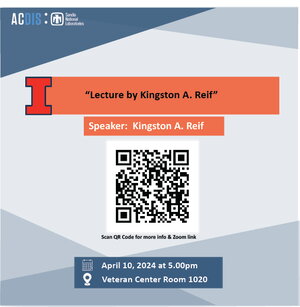
- JOIN WEBINAR Meeting ID: 884 4896 5668 Password: ACDIS Abstract: This seminar discusses the vision, mission, core functions, and priorities of the Office of the Deputy Assistant... Read full story Lecture by Kingston A. Reif
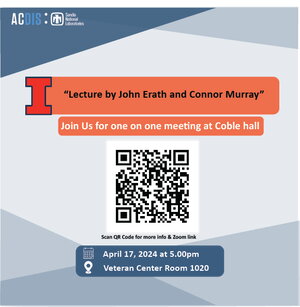
- JOIN US FOR A IN PERSON DISCUSSION AT COBLE HALL 101. Please sign up for the one on one discussion with John Erath or Connor Murray: CLICK HERE Feel... Read full story Lecture by John Erath and Connor Murray
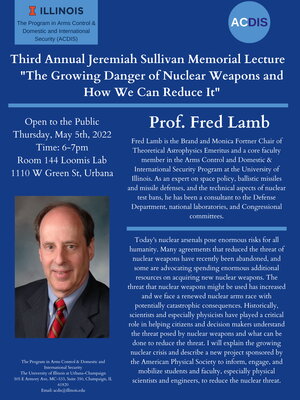
- 2022 Jeremiah D. Sullivan Lecture: "The Growing Danger of Nuclear Weapons and How We Can Reduce It” presented by Professor Frederick Lamb on Thursday May 5th, 2022 from 6-7pm in Loomis Room 144. Click here for PDF flyer. This lecture will be available on Zoom... Read full story Third Annual Jeremiah Sullivan Memorial Lecture (May 5th, 2022)
Upcoming events
Title
Global Impact
Title
Global Impact
Body
ACDIS is part of the Illinois Global Institute (IGI), which was established in 2019 as the home of the university’s area and global studies centers and thematic programs.